The Cycle Superhighways
These routes connect the city center to the suburbs, offering a consistent and efficient path for long-distance riding.
Ride during off-peak hours to enjoy wider, clearer lanes.
Copenhagen operates 385 kilometers of dedicated cycling infrastructure accessible free of charge around the clock. The network spans protected lanes along major streets, harbor-front routes, park paths and bridge crossings that connect neighborhoods, waterfronts and green spaces across the Danish capital.
Quick answer
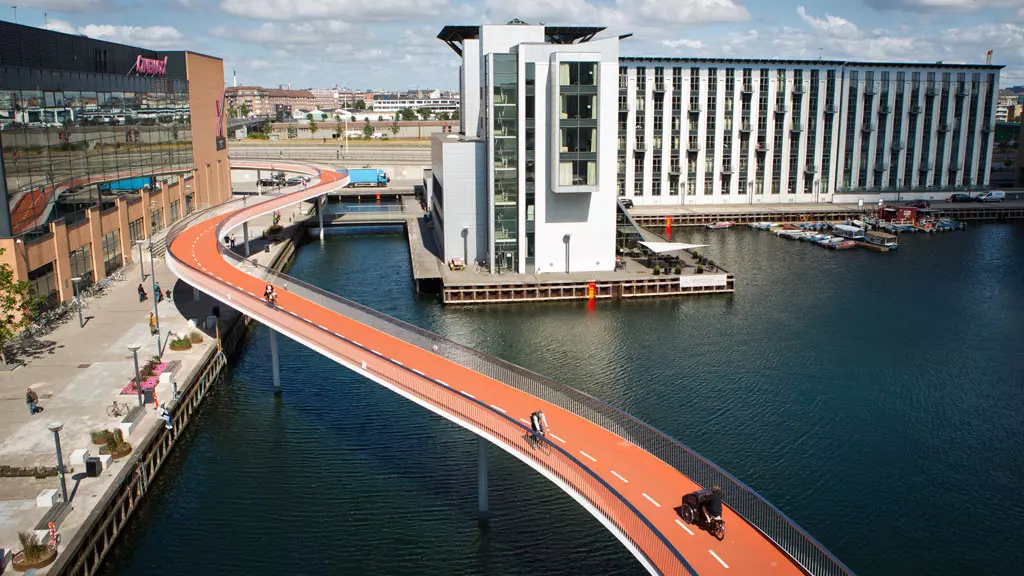
You can bike anywhere across Copenhagen's 385-kilometer network of dedicated cycling infrastructure, available 24/7 at no cost. Protected cycle tracks run along most major streets, harbor-front routes connect waterside districts, and park paths thread through green spaces. The system is accessible every day of the year, though the smoothest riding window falls between 09:00 and 15:00 when commuter traffic subsides after morning rush hour and before the afternoon peak.
More than 49 percent of Copenhagen residents commute by bicycle daily, the highest modal share of any European capital. That density reflects half a century of infrastructure investment: grade-separated cycle tracks, dedicated traffic signals, bridge ramps and intersection priority that treat bicycles as primary vehicles rather than recreational add-ons. The harbor route stretches eleven kilometers from Nordhavn south to Amager Strand, threading waterfront promenades and converted industrial quays. Riders pass Nyhavn's canal-front buildings, cross Inderhavnsbroen pedestrian-and-cycle bridge, and follow Kalvebod Brygge's timber boardwalk with unobstructed views across the sound. The path widens at Islands Brygge, where open-air swimming platforms punctuate the quayside, and continues south through Ørestad's newer districts to the beach park at Amager Strandpark. Traffic is light outside commuter windows, and the flat topography requires no climbing. Copenhagen bike paths connect the old city center with outlying neighborhoods through continuous protected lanes. Nørrebrogade, the city's busiest cycling corridor, channels 35,000 daily riders from the inner city north through Nørrebro and on toward the lakes district. Green wave traffic-light synchronization at 20 kilometers per hour keeps flow steady during peak periods. Vesterbrogade runs west from City Hall Square through Vesterbro's cafes and design shops, while Østerbrogade extends east along parks and residential streets toward Svanemøllen Harbor. The lakes route encircles Sortedams Sø, Peblinge Sø and Sankt Jørgens Sø on a 6.5-kilometer shared-use path favored by recreational riders. Tree-lined and traffic-free, the circuit connects Nørrebro, Østerbro and Frederiksberg through continuous parkland. Superkilen park in Nørrebro offers a landscaped cycling shortcut between Nørrebrogade and Tagensvej, while Assistens Cemetery's internal paths provide a quiet alternative through historic grounds. Commuter rush hours between 07:00 and 09:00, then again from 15:30 to 17:30, concentrate the heaviest volumes on main arterials. Recreational riders seeking elbow room favor mid-morning and early afternoon slots when lanes clear and pace relaxes.
“More than 49 percent of Copenhagen residents commute by bicycle daily, the highest modal share of any European capital.”
To ensure smooth navigation and comfortable riding, plan your cycling around the city's commuter flow. The best arrival window is 09:00–15:00, as this avoids the heavy commuter rush hours occurring between 07:00–09:00 and 15:30–17:30.
—
Expect high volumes of local cyclists heading to work and school during rush hours.
Mild to warm 15°C–22°C
Long daylight hours provide extended time for exploring the city by bike.
Cooler 8°C–14°C
These shoulder months offer fewer crowds while maintaining manageable cycling temperatures.
Cold 0°C–5°C
Biking remains possible, though roads can be icy and daylight hours are significantly reduced.
Verdict: The best time to bike in Copenhagen is during the 09:00–15:00 arrival window throughout the months of May, June, or September.
Cycling infrastructure in Copenhagen is public city property and remains accessible to cyclists at all times. The network is open daily, twenty-four hours a day.
Copenhagen is designed as a city for cyclists, with an extensive network of dedicated lanes connecting all major districts. The most efficient way to begin is by arriving at a central transit hub and utilizing local bike rental services or docking stations located throughout the city.
DSB Regional or S-train to København H (Central Station)
Line M1 or M2 to Kongens Nytorv
Havnebus line 991 or 992 to Nyhavn or Det Kongelige Bibliotek
To integrate seamlessly into the city flow, plan your arrival between 09:00–15:00 to avoid the heavy commuter rush hours of 07:00–09:00 and 15:30–17:30.
Copenhagen's cycling infrastructure works because riders follow clear conventions. Signal turns, keep right except when passing, and respect pedestrian zones to maintain the flow.
Copenhagen offers a diverse network of cycling paths that connect historic landmarks, modern architecture, and harbor-side districts. Exploring these routes by bike provides a practical way to experience the city's unique urban layout.
These routes connect the city center to the suburbs, offering a consistent and efficient path for long-distance riding.
Ride during off-peak hours to enjoy wider, clearer lanes.
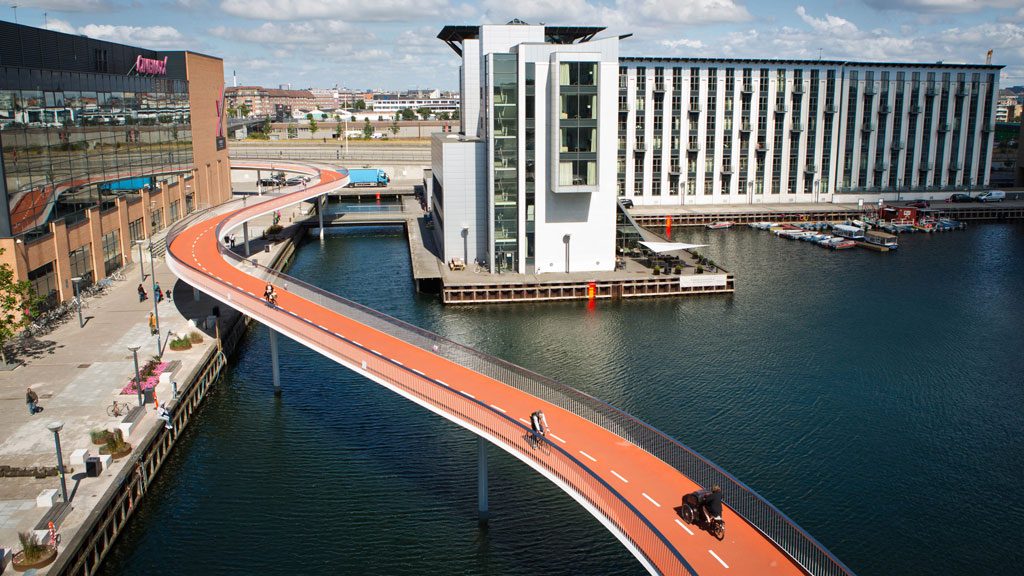
This 13-kilometer route loops around the inner harbor, passing iconic sites like the Black Diamond and Islands Brygge.
Take the Cykelslangen bridge for an elevated harbor view.
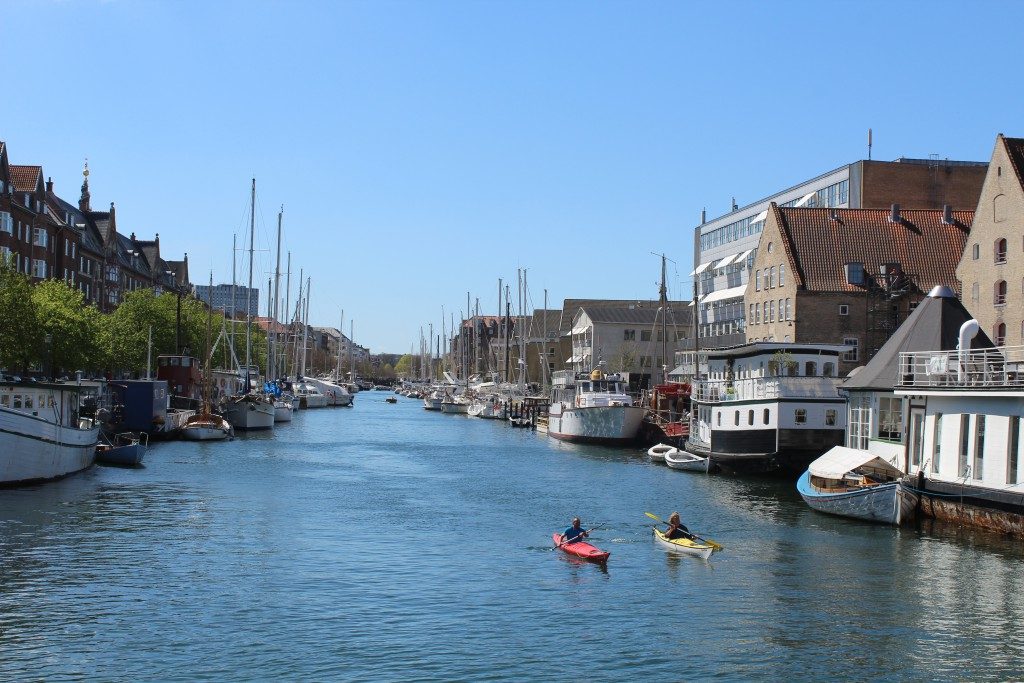
This district features narrow, cobblestone streets and historic canals that define the classic Copenhagen aesthetic.
Explore the side streets to find hidden residential courtyards.
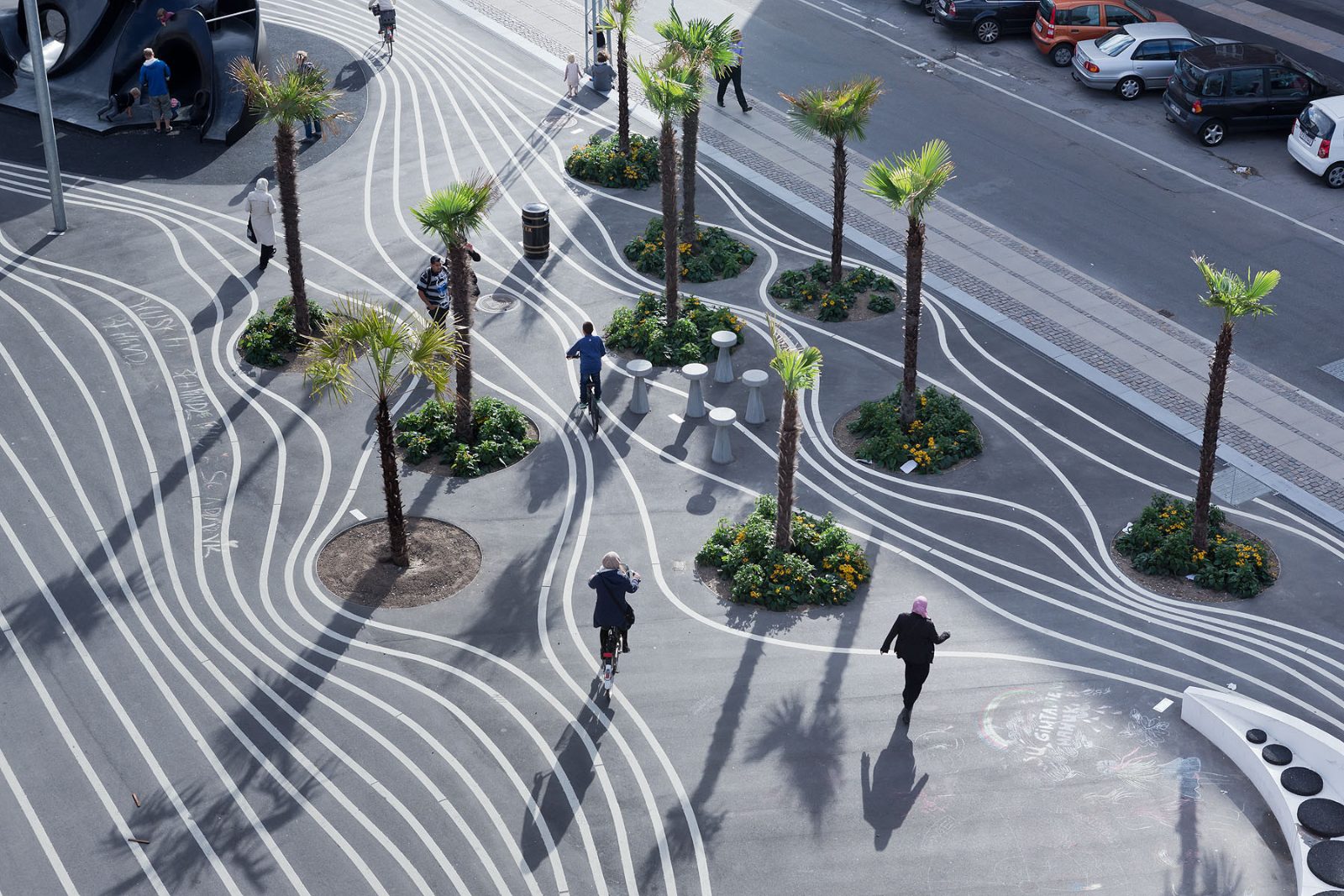
A vibrant district known for Superkilen Park, a diverse urban space that integrates cycling paths into its artistic design.
Visit the red zone for a unique urban photography spot.
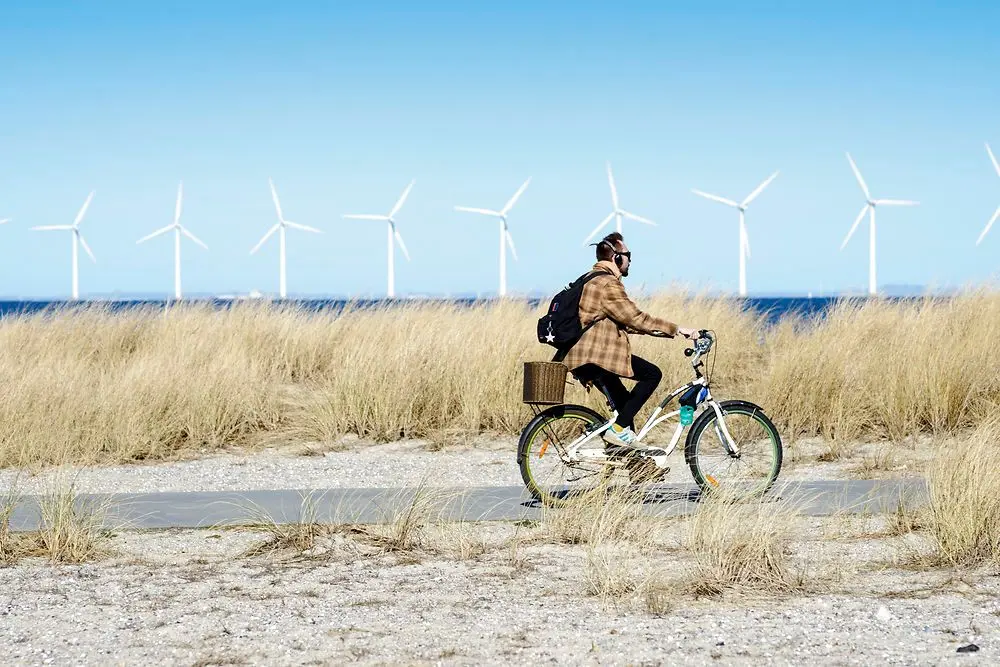
This coastal park offers dedicated cycling paths along the beach with views of the Øresund Bridge.
Cycle the full length of the beach path for sea views.
Everything you need to know about where to bike in copenhagen
When deciding where to bike in copenhagen, look toward the green cycle routes which connect residential areas and parks. These paths offer a relaxed way to explore the Danish capital away from main traffic.
You can use public city infrastructure at an entry fee of 0 DKK. This makes cycling the most accessible way to travel around the city.
The best arrival window is 09:00–15:00 to avoid heavy commuter rush hours. Planning your trip outside of 07:00–09:00 and 15:30–17:30 ensures a much smoother journey.
Cycling in Copenhagen requires following local traffic laws, such as signaling before turning and staying in the right lane. Understanding where to bike in copenhagen safely means respecting these signals to keep traffic flowing for commuters.
While you can explore the city on your own, a guided bike tour in Copenhagen provides context to the history of the harbor, iconic statues, and royal palaces. Booking a tour through our site allows you to see the city landmarks with an expert guide.
Yes, the city is very family-friendly, with wide cycle paths and flat terrain perfect for all ages. Many visitors prefer this mode of transport, making it simple to find where to bike in copenhagen with younger riders.
Cycling routes often pass by major Copenhagen landmarks like the Little Mermaid, Nyhavn, and the Royal Library. These sites are easily accessible, confirming why so many travelers search for where to bike in copenhagen.